Blog Feed

Sukhumvit Seasons: Optimal Times for Weather & Festivities

Planning a trip to Bangkok‘s vibrant Sukhumvit district? This guide will help you pinpoint the ideal times to visit, balancing pleasant weather with the area’s exciting calendar of events. From comfortable cool breezes perfect for exploring to lively festivals that embrace the heat, understanding Sukhumvit’s seasonal rhythms can significantly enhance your travel experience. Let’s explore the best windows for your visit.

The “cool” and dry season, spanning roughly from November to February, is widely considered the most comfortable time to explore Sukhumvit. Temperatures during these months typically range from a pleasant 20°C to 30°C, accompanied by lower humidity and minimal rainfall. This period is perfect for strolling along the bustling streets, enjoying outdoor dining, or visiting nearby attractions without the intense heat or unexpected downpours. However, as the most popular time to visit, you can expect larger crowds and potentially higher accommodation prices.

This peak season also brings a festive atmosphere to Sukhumvit. December sees the district’s numerous shopping malls and hotels adorned with elaborate Christmas decorations, culminating in spectacular New Year’s Eve celebrations. Many venues host special dinners and countdown parties, offering a memorable way to ring in the new year. Later, in late January or early February, Chinese New Year adds another layer of cultural vibrancy, particularly in areas with significant Chinese communities, though Sukhumvit’s modern core primarily focuses on more international celebrations.
For those curious about the most common inquiries regarding Sukhumvit visits: The best weather is generally from November to February. Sukhumvit is typically least crowded during the rainy season (June to October), offering a more relaxed pace. Major festivals to experience include New Year’s Eve celebrations and Songkran (Thai New Year) in April, both offering unique insights into local culture and festivities.

March to May marks the hot season, with temperatures often soaring above 35°C and increased humidity. While challenging for some, this period is home to one of Thailand’s most famous events: Songkran. Celebrated in mid-April, this traditional Thai New Year festival transforms the city into a giant water fight, offering a unique and exhilarating cultural experience. Many Sukhumvit venues and streets participate, making it an unforgettable time to visit if you don’t mind getting soaked and embracing the heat.

The rainy season, from June to October, brings frequent but often short and heavy downpours, typically in the late afternoon. While humidity remains high, the rain can offer a welcome respite from the heat, and the city feels greener and fresher. This period sees fewer tourists, which can translate to better deals on flights and accommodation. Sukhumvit’s extensive network of covered walkways, skywalks, and world-class shopping malls ensures that there’s still plenty to do, even on a rainy day.

Ultimately, the best time to visit Sukhumvit depends on your priorities. Whether you seek comfortable weather for extensive exploration, wish to partake in vibrant cultural festivals, or prefer a quieter experience with potential savings, Sukhumvit offers distinct charms throughout the year. Consider what kind of adventure you envision for your Bangkok journey.
Heading: An Exploration of Bangkok Tour Attractions: A Blend of History and Modernity

Bangkok, the capital city of Thailand, is a treasure trove of attractions for tourists worldwide. This bustling metropolis offers a seamless blend of historical landmarks and modern attractions, providing an array of experiences that cater to diverse interests. In this blog post, we delve into some of the must-visit Bangkok tour attractions and their historical significance.

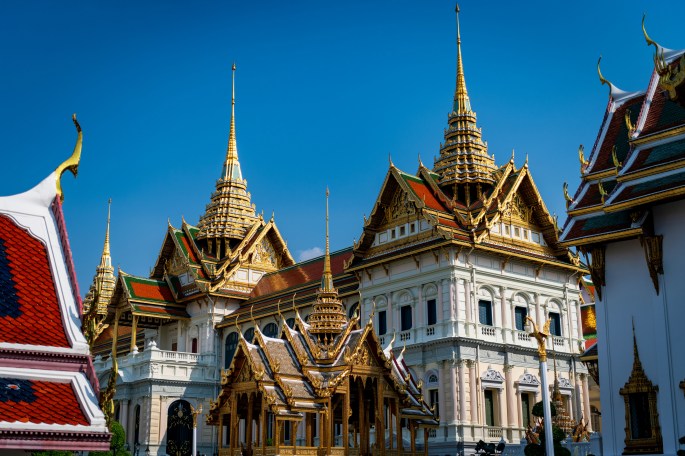
The Grand Palace, a grandiose architectural masterpiece, is a must-visit Bangkok tour attraction. Built in 1782, it served as the royal residence for over 150 years. The palace complex houses Wat Phra Kaew, which enshrines the highly revered Emerald Buddha, dating back to the 14th century.

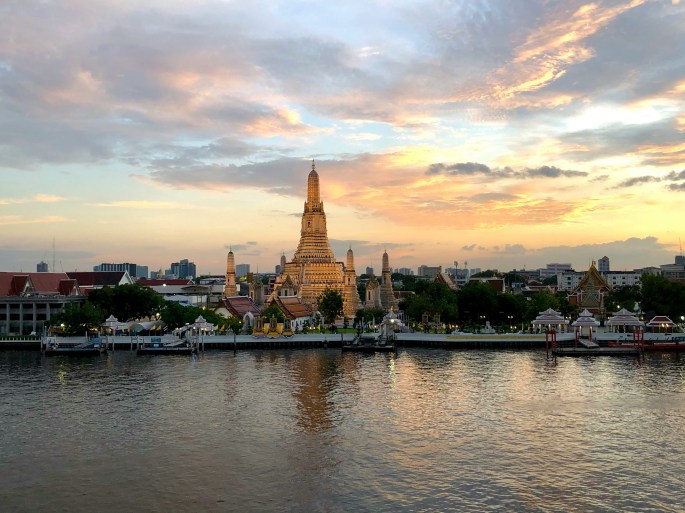
Another historic site worth visiting is Wat Arun, also known as the Temple of Dawn. This iconic temple, established in the early 19th century, is renowned for its towering spire adorned with colorful porcelain. It offers a breathtaking view of the city at sunrise, symbolizing the birth of a new day.

Bangkok is also home to the world’s largest outdoor museum, the Ancient City. It features scaled-down replicas of Thailand’s most famous buildings and monuments, providing a comprehensive glimpse into the country’s architectural history.

For modern attractions, don’t miss the bustling floating markets like Damnoen Saduak and Amphawa. Experience shopping in a unique way as vendors sell local produce and handicrafts from their boats. Another must-visit is the Chatuchak weekend market, one of the world’s largest markets with over 8,000 stalls offering a wide array of goods.

Some commonly asked questions about Bangkok tour attractions are: What are the opening hours for the Grand Palace? How do I get to Wat Arun? Is it easy to navigate the Ancient City? Answers to these questions can be found on the respective attraction’s official website or travel guides.

Whether you’re a history enthusiast or a modern-day explorer, Bangkok offers an array of attractions that promise a memorable travel experience. From historic temples and palaces to vibrant markets and museums, the city invites you to explore and appreciate its rich culture and history.

2 of Thailands top curries

Thai cuisine is renowned for its bold flavors, and curries are a significant part. With its fragrant and spicy aroma, Thai curries are a must-try for anyone who loves bold and exotic flavors. In this blog, we will talk about two of Thailand’s top curries.

1. Green Curry

Green curry is one of Thailand’s most popular curries. It is made with a paste of green chili, lemongrass, kaffir lime leaves, galangal, coriander, and cumin. It is then simmered in coconut milk, chicken, shrimp, or vegetables and served with steamed rice.

The green curry’s flavor is a combination of spicy, sweet, and savory, making it a favorite among Thai food lovers. The green color of the curry comes from the green chilies used in the paste. The dish’s spiciness can be adjusted according to personal preference.

2. Massaman Curry:

Massaman curry is a Thai curry that originated in Southern Thailand. It is made with a paste of red chili, lemongrass, garlic, shallots, galangal, and roasted peanuts. It is then cooked in coconut milk, chicken, beef, tofu, potatoes, and sometimes peanuts.

Massaman curry has a unique flavor profile compared to other Thai curries. It has a mild spiciness with a hint of sweetness from adding palm sugar. The roasted peanuts in the paste add a nutty flavor to the dish, making it a perfect balance of flavors.

Conclusion Thai curries are a must-try for anyone looking for bold and exotic flavors. Green and Massaman curries are two of Thailand’s top curries that you should take advantage of if you want to experience the deliciousness of Thai cuisine. These curries are available in most Bangkok restaurants, from street vendors to upscale dining establishments.

Sukhumvit Bangkok

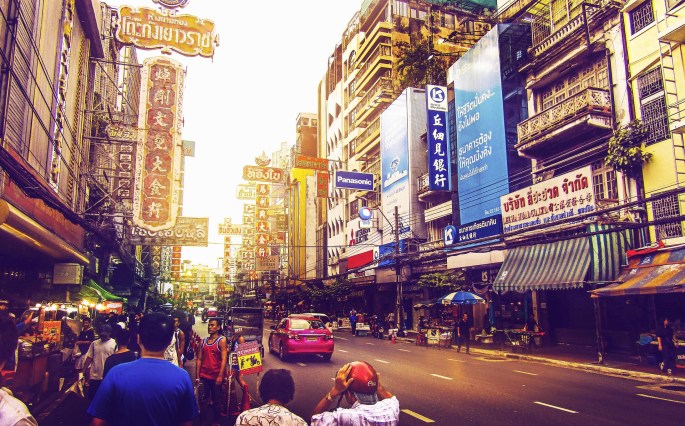
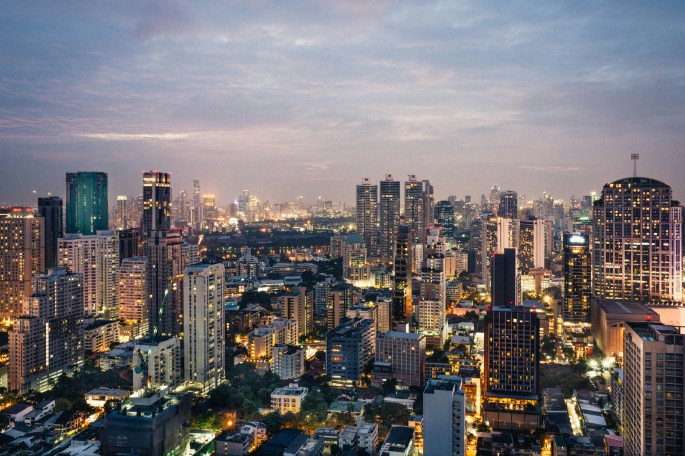
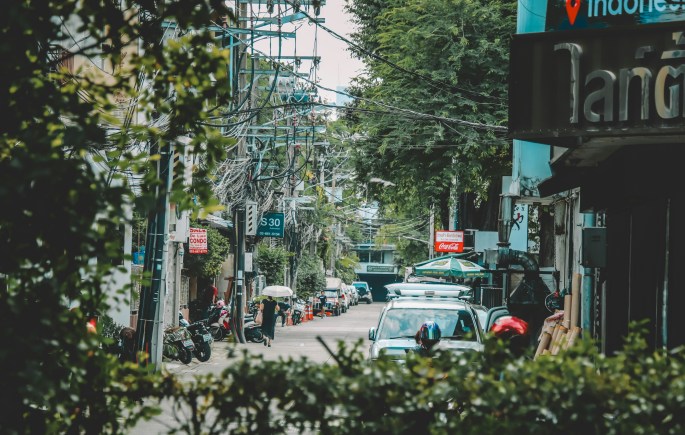
Located on the Sukhumvit Road in Bangkok, Sukhumvit is a bustling and vibrant neighborhood. As a major nightlife and retail district in the city, it is home to a number of the city’s most lavish pubs, restaurants and hotels. In this neighborhood of Bangkok, you can find all the modern conveniences one would expect to find in an affluent metropolitan area. A trip to Bangkok is not complete unless it includes at least one excursion to Sukhumvit.

Getting Around Sukhumvit Bangkok

Exploring the amazing length of Sukhumvit is made much simpler because the Skytrain (BTS) travels through most of the downtown section. In addition, the Sukhumvit area of downtown Bangkok is served by a number of excellent public transportation connections, such as the Airport Rail Link, which is a commuter train from Suvarnabhumi Airport, the Sukhumvit Road, which extends all the way from the heart of the city to the border with Cambodia and the Metro, which provides access to the center of the Sukhumvit area of downtown Bangkok.

Things to Do in Sukhumvit

If you’re looking for a variety of things to do, head to Sukhumvit Bangkok, which is frequently bustling with various events. This part of town is home to some of the city’s more risquy nightlife spots. Nonetheless, you can find hidden gems like cafes, restaurants, and day spas in many of the sois, and these locations offer little stress-busting pockets of serenity that are worth seeking out.

As far as shopping is concerned, Sukhumvit is typically referred to as Bangkok’s premier shopping district for high-end goods. Shopping malls and department stores in Sukhumvit are filled with the latest clothing and accessories designs from the world’s best-known brands. Sukhumvit is also home to a multitude of less expensive shopping malls and open-air markets, where you can get a wide selection of necessary things and inexpensive souvenirs.

The best parks to visit in Bangkok

If you are looking for a place to relax away from the hassles and bustles of Bangkok city, read on to find out about some of the best parks available.

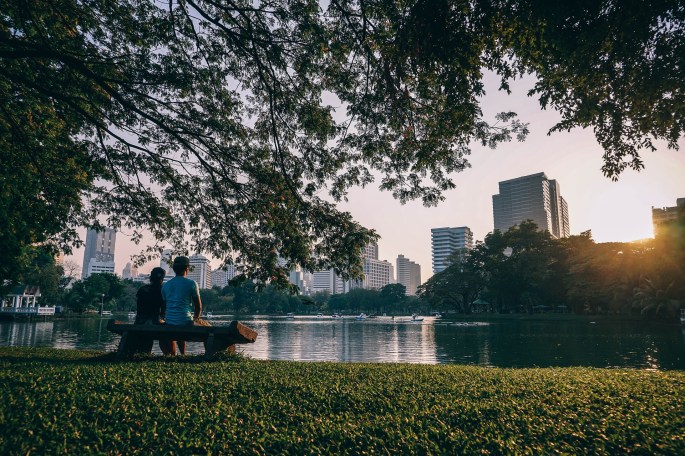
While in Bangkok, you can enjoy the clean and fresh air at some of its parks, which are lined with green foliage and tree clusters away from the skyscrapers, noisy traffic, and neon lights of the bustling capital. Here are some of the best parks to visit.

Lumphini Park

If you do not want to travel far away from the city cosmopolitan, this is the best park to visit and relax. It was named after the birthplace of Buddha in Nepal. Covering 58 Acres, Lumphini Park is the largest outdoor green space and even has an artificial lake.

Si Nakhon Khuen Khan Park

The park is located at the Phrapradaeng Peninsula southeast of the city. The park has a large lake and a bird-watching tower. Its surroundings are also ideal for cycling and hiking.

Phutthamonthon

The park is located west of the city centre. It is mostly renowned for its sculptures which represent the various stages Buddha went through in his life. One of its sculptures stands at 15.8m high and is considered one of the tallest in the world.

Rama IX National Park

The park which is located southwest of the city centre is the largest in Bangkok. It was built to celebrate the 60th birthday of King Bhumibol Adulyadej.

Benjakiti Park

The park was once home to a wide range of factories and warehouses. It has an artificial lake, which is about 2km in diameter, making it ideal for joggers and cyclists.

Metro Forest Project

This green space lies east of the city. It was built for reforestation purposes. It has an observation tower and skywalk for visitors to enjoy its cool and mesmerising green space.

While Bangkok may be known for its bustling nightlife, and city tours, also offers places where you can unwind, relax, and enjoy fresh clean air in its parks.

Hua Lamphong Station: Bangkok’s Communication Hub

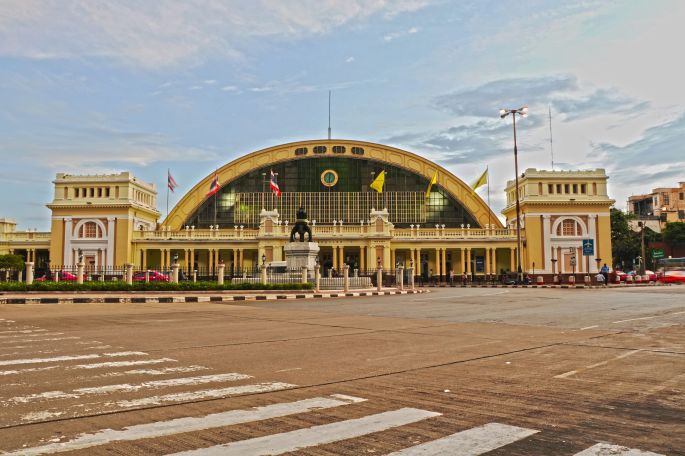
Hua Lamphong Station is Bangkok’s main railway station with 14 platforms that manage about 60,000 travellers and 130 trains daily. Hua Lamphong is also the terminus for the fabled Eastern and Orient Express. The central location and colourful throng of international and local travellers makes the station an ideal spot for meetings with friends or solitary people watching.

Apart from its being Thailand’s busiest railway hub, Hua Lamphong is notable for its architecture. The structure was designed in an Italian neoclassical tradition by architects Mario Tamagno and Annibale Rigotti. The neoclassical style is immediately evident as visitors pass through the columned portico before entering the building. Construction was completed in 1916 by Dutch architects. The Dutch influence can be seen in the two-tone patterned skylights characteristic of De Stijl modernism. A glance upward reveals the vaulted iron ceiling that at the time was an engineering marvel.

How the station acquired the name Hua Lamphong remains a mystery. The official name of the station is Sathani Rotfai Krung Thep, which is translated as State Railway of Thailand. Outside Bangkok, the railway station is usually referred to as Krungthep Station. However, to the locals and tourists, the landmark has always been known as Hua Lamphong Station. There are a number of stories circulating about the origin of the local name. Some say that the name Hua Lamphong means Field of Wild Oxen or refers to a toxic plant. Others suggest that it could be derived from the Malay expression meaning temporary bridge.

In 2004, Bangkok’s Metropolitan Rapid Transit built the Hua Lamphong subway stop and linked the citywide system to the station by an underground passage. The new connection makes travel to business and social meetings faster and easier. There are many reasons for visiting Hua Lamphong, the least of which is that the iconic building will retire as a transportation hub in 2021 and be transformed into a museum.

photo credits: https://it.m.wikipedia.org/wiki/Stazione_di_Hua_Lamphong

Explore Thailand: Rama II

Phuttaloetla Nabhalai, Rama II, who is now known as Buddha Loetla Nabhalai, was born on February 24, 1767. He was born into the family of King Rama I and queen Amarindra. In this article, we intend to cover important facts about the life of Rama II, King of Thailand.

Rama as King

Rama II was born in the second Chakri Dynasty king. This came after his father, Rama I, had expanded the Thai territory by driving away Burmese, who were the early occupants of this part of the kingdom. His reign lasted from 1809 and 1924. In this period, he was known as the Great Artist and the poet king.

Achievements

UNESCO, in 1968, declared Rama II as a heritage person. In his lifetime, the king had 73 children, of which two served as kings. Chesda Bondindra eventually became Rama III, while his brother, Mongkut, became Rama IV.

Rama I became king when Rama II was only 16 years old. Because of this, Rama II was made the prince, and alongside his father, he took part in lots of military campaigns. Rama II was pronounced the deputy king in 1806 and became king at the age of 42, when his father died.

The White Elephant King

Besides being known as the Poet King and the Great Artist, Rama II was popularly known as the White Elephant King. This is because he kept many white elephants. It is worth noting that white elephants are considered good luck in Thailand. Later on, the white elephant would be included as part of the national flag of Thailand.

Thailand today

The country of Thailand today is still ruled by the same dynasty that Rama II’s father setup. The Kingdom’s capital city, Bangkok, is a meeting point for foods, cultures and entertainment that has been the colourful backdrop for popular Hollywood films. According to the Thai tourism board, 2019 saw over 39 million people visit and explore Thailand, one of the true gems of the Far East.

Best Places to Take Afternoon Tea With Your Children in Central London

Central London offers great places for visitors to take afternoon tea with their children. The city’s best children’s afternoon teas are designed to engage, entertain and fill up the kids. Keeping this in mind, here are the best places to take afternoon tea with your children in Central London.

The Mad Hatter Afternoon Tea at The Sanderson Hotel – have a magical time with your children

The Sanderson Hotel has a modern interior and a contemporary setting that makes the afternoon tea feel special. Based on the 1865 novel Alice’s Adventures in Wonderland, the Mad Hatter Afternoon Tea is designed to ensure visitors and their families have a memorable time. With pastries and other sweet treats coming from the novel that was written by the English author Lewis Carroll, the hotel offers a range of different menus including a choice between savoury and sweet cones and a variety of teas.

Royal Lancaster London – experience a quintessentially British tradition

Located on the border of the Grade I-listed Hyde Park, Royal Lancaster London offers a unique and refreshing afternoon tea in the centre of the city.

Visitors get to relax with their children while enjoying an enticing assortment of warm baked scones, delicious sandwiches and sweet delicacies accompanied by a wide selection of fine teas. While the children are enjoying their afternoon tea, adults can also enjoy a glass of champagne.

Afternoon Tea Adventure at One Aldwych – start the adventure inside the chocolate factory

One Aldwych’s afternoon tea was inspired by the children’s novel Charlie and the Chocolate Factory written by the British author Roald Dahl. Visitors can take their children to One Aldwych’s afternoon tea to enjoy savour delights such as blueberry cake pops and candy floss. These delicious treats come with scones and sandwiches.

Buzzy Bees Afternoon Tea at St. Ermin’s Hotel – visitors can spoil their children with a stylish and delicious afternoon tea

After proposing the delicious “NineTea”, which was in honour of Queen Elizabeth’s 90th birthday in 2016, the Buzzy Bees Afternoon Tea (designed for children) and Honey Afternoon Tea (designed for adults) were launched. Here is a site with more places where visitors can take their children in Central London

There are many reasons why visitors should treat their children to one of these places in Central London. They offer bite-sized delicacies, sweet treats, finger food and crustless sarnies, all on a kid-friendly timetable.

A short history of the manicure in the UK

Manicures from Babylonian days

Who can believe that the ancient Babylonians, now known as Iraq, loved tending to their nails and that the oldest manicure set ever, made from solid gold, was discovered there and dates back to 3,200 BC?

During the medieval- and Tudor periods, manicured nails were indicative of a pampered, affluent lifestyle. It was about 1970 that the first nail studios were opened.

Since ancient times, the nail care industry has grown and these days there are so many nail treatments available and nail polishes in every colour and style. The goal in the 21st century as it was in the early history of the manicure, is to present your hands and nails looking well-groomed.

Manicures make for a Relaxing Outing

The great thing about nail bar treatments is that you can rope in your sister or a friend and make a manicure a relaxing outing. You can simply chill out, escape and try something new and exciting and maybe even a time of renewal.

The K West Hotel & Spa offers these manicures during the week and on the weekend. With so many fashions for nails, if you don’t like the way your nails look, change them. The K. West Hotel is alert to the fresh, the new and original and they apply their creative skill in the art of nail beauty care.

What’s more, with brands like Vinylux and Shellac you know that the nail polish has staying power. Ordinary polishes chip and break down with time but these polishes are far more durable. You benefit from a superior brand service with the chip-free manicure technology.

New nails, new outfit

Once you’re done with your nails, the K West Hotel is close to the shopping hotspot Westfield, and with your brand new nails, it’s time to hit the shops for an outfit to liven your looks. Want a manicure that gives your nails a pearly gloss? These days, unlike with the early manicures, you find fast-drying polishes. They come in heaps of different shades that can be applied with speed because of the different shaped